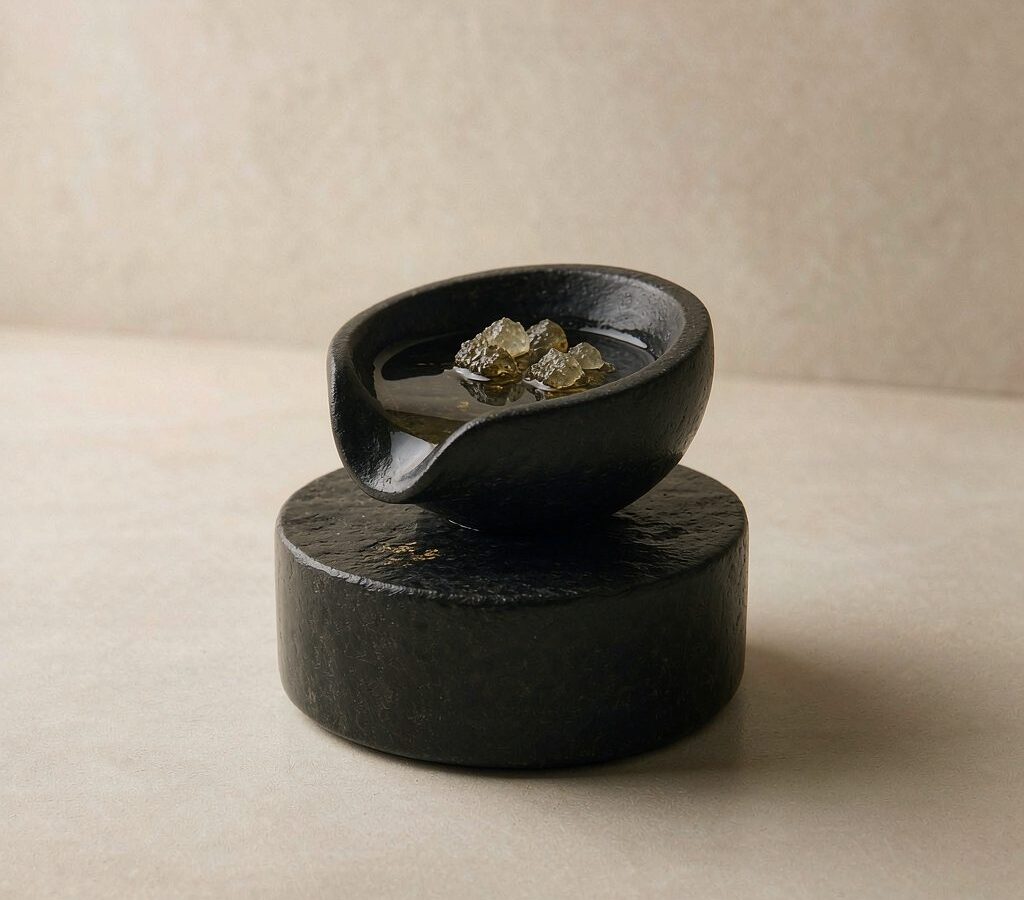
Most listings say “natural crystal” and stop there. That phrase can mean a stone from a mine, and it can mean dyed quartz from a factory floor. Here is how to tell the difference from a product page, in the order that matters.
1. Ask for the region, not the country
“Brazil” is not an origin, it is a continent-sized country. “Minas Gerais, Brazil” is an origin — you can look it up, and it tells you what kind of deposit the stone came from. If a page will not name a region, that is the answer.
2. Ask what was done to it
Heat treatment, dyeing and fracture filling are common and completely legal — as long as they are disclosed. A stone labelled “heat enhanced” is honest. A stone labelled only “natural” and sold at a suspiciously saturated colour usually is not disclosed, which is the thing to avoid.
3. Ask for a macro photograph
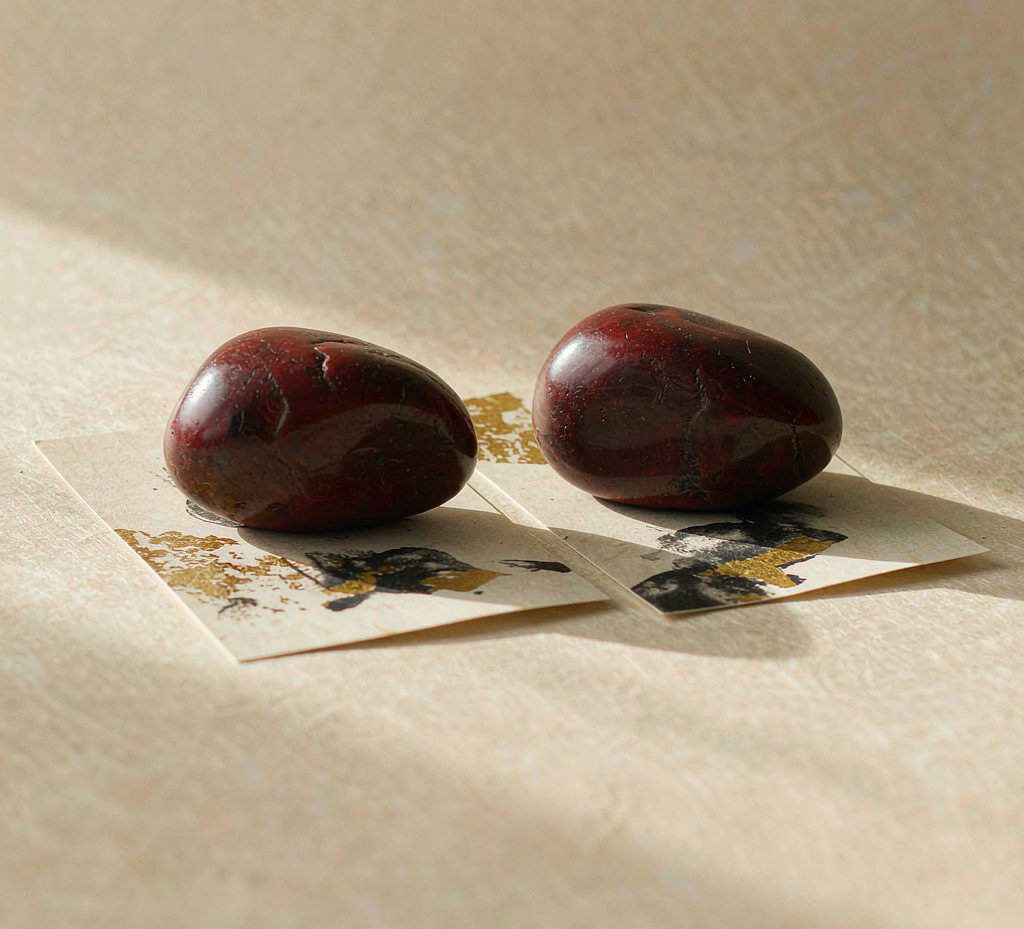
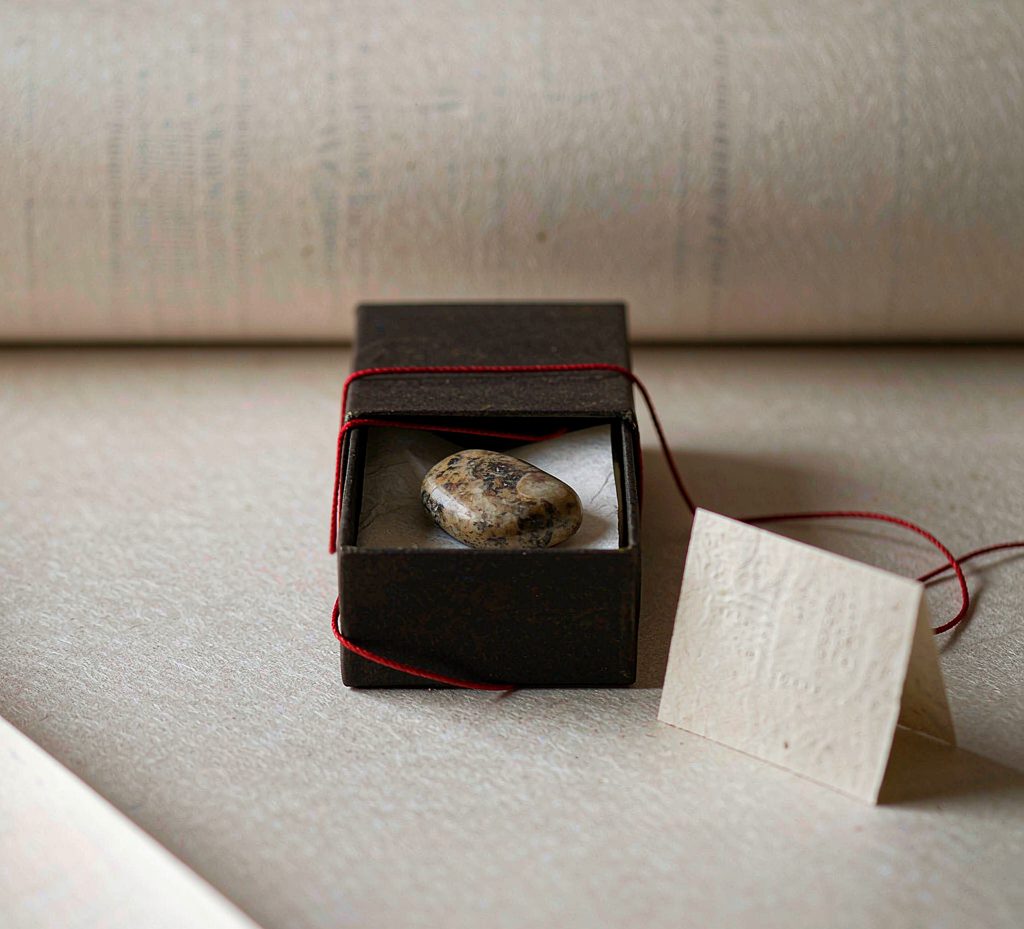
Real stone has veining, inclusions and internal fractures. Glass and resin do not. A close-up where you can see those marks is the cheapest proof there is, and it costs a seller nothing to take.
4. Ask who made it
Not the brand — the person. A photograph of the hands that strung, wrapped or packed the piece tells you more about the supply chain than any certificate.
What we do
Every QIYUN product page carries these four things under The Proof: the stone, the region, what was done to it, a macro photograph, and a photograph of the hands that made it. Where we do not know something yet, the page says so. Read Our Materials.
Leave a Reply