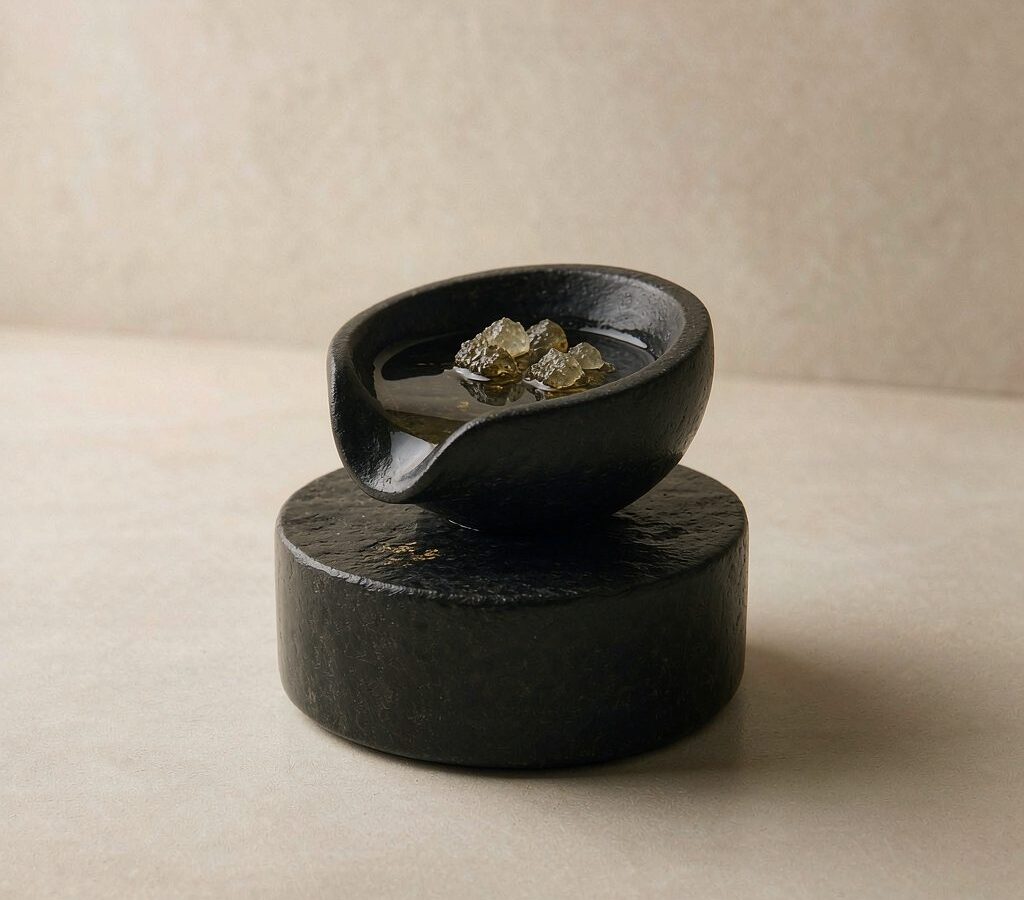
The first flat I lived in had one usable surface: the top of a bookshelf, about forty centimetres wide, right where the light came in at four in the afternoon. That was the altar. Not because anyone called it that, but because it was the only place in the flat where things were put down on purpose.
Three objects, maximum
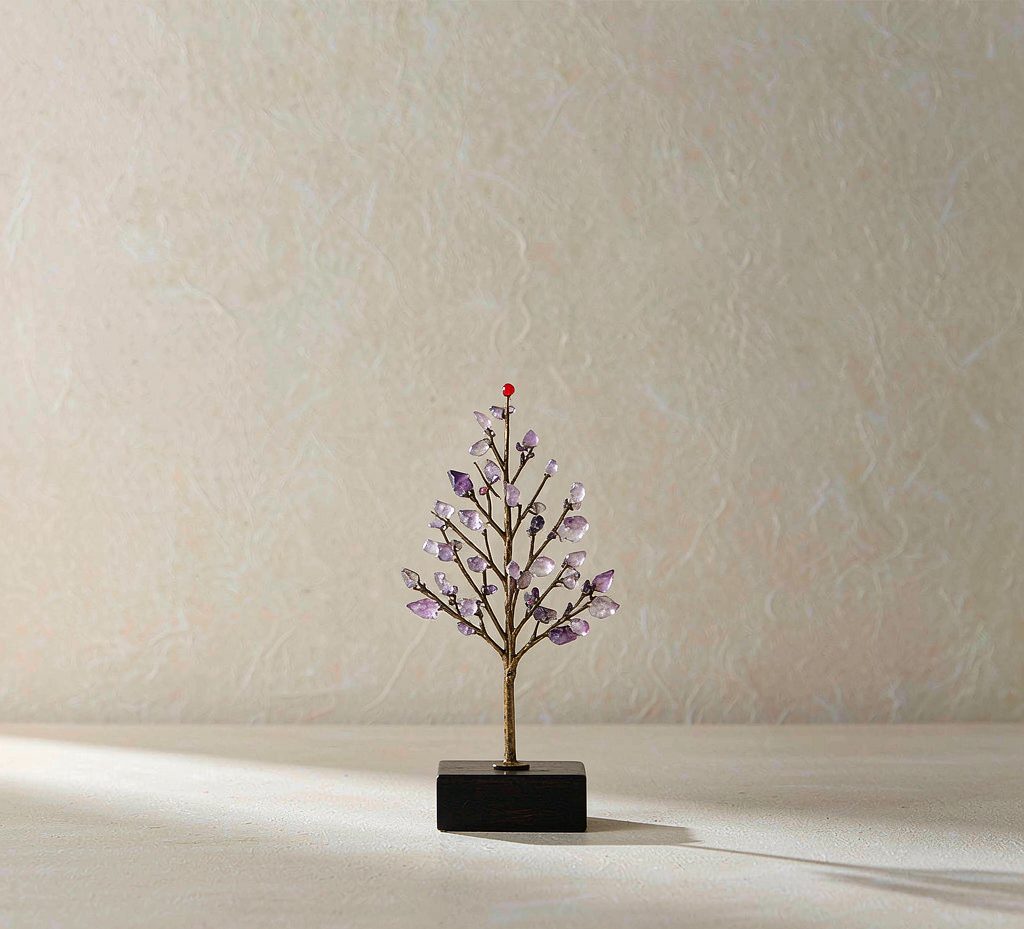
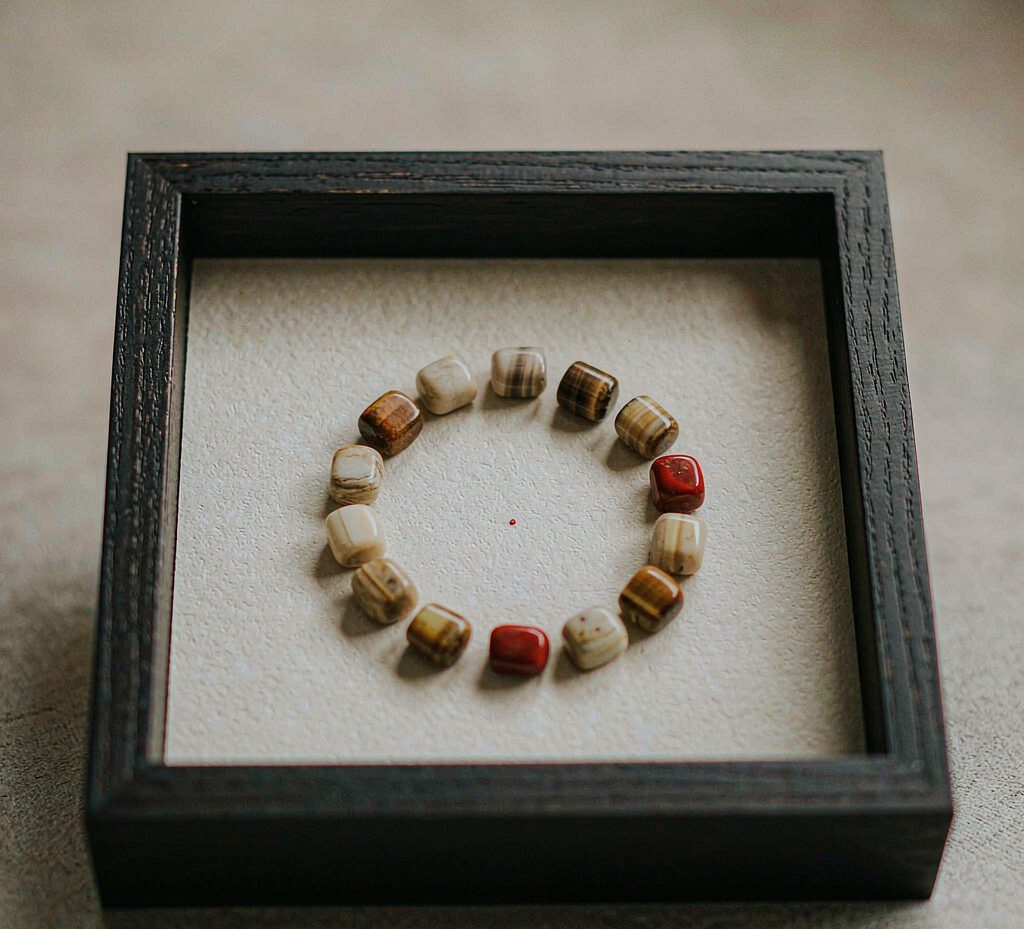
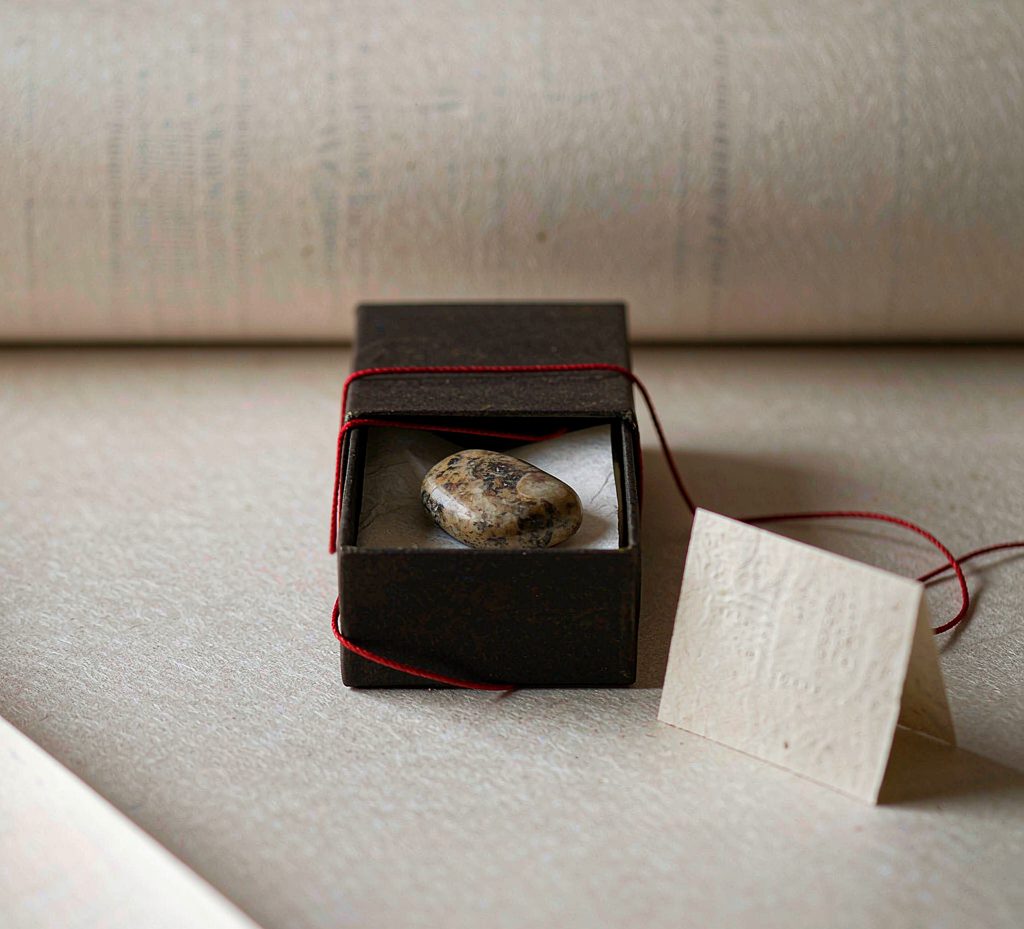
- One object that stays. A crystal tree, a framed grid, a candle you actually light.
- One light. A small lamp, or matches next to a candle. Light is what separates a surface from a storage shelf.
- One thing that is not decoration. A dish for keys, a box of matches, a note you are not ready to throw away. This is the object that makes the others look deliberate rather than staged.
The thirty-second rule
If clearing the surface takes more than thirty seconds, there is too much on it and it will stop being used within a month. This is the only rule that matters.
Where to put it
Anywhere you pass twice a day without meaning to: the end of a hallway, the corner of a desk, the shelf next to the door. It does not need to face a direction. It needs to be somewhere you will see it when you are not looking for it.
What it is for
An altar is not a machine and it does not produce outcomes. It is a place where you put something down instead of carrying it. That is enough reason to have one. Our Energy Space objects are built to sit on surfaces this small.
Leave a Reply